
UNEP Debates Renewable Energy Plan Amid Formal Negotiations
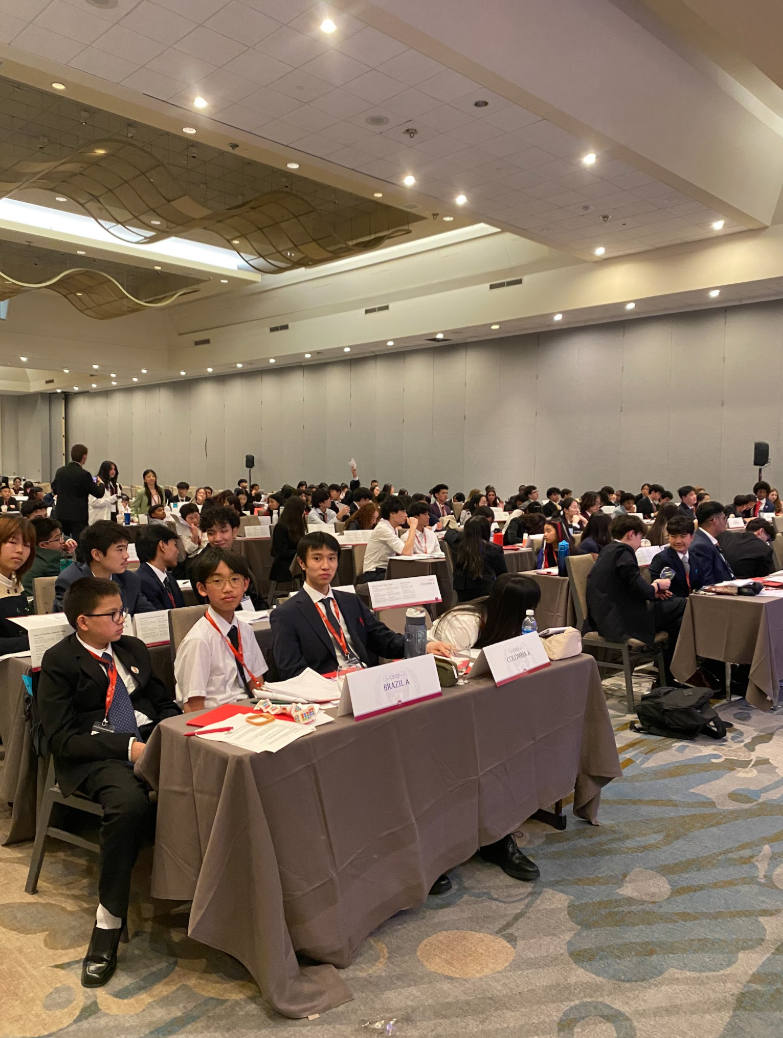
During the start of the UNEP committee (United Nation Environmental Plan) at HMUN Canada double delegates have engaged in formal debates to decide the future fate of renewable energy globally. The committees have debated in their opening speeches whether they believe the first topic to debate is the use of climate change resolving around the role of AI in climate change or the use of expanding the access of renewable energy in developing countries. After an informative series of debates delegates voted on topic B for the expansion of renewable energy access globally as the topic of debate. In today's day and age renewable energy in rural communities is seen as an evermore important topic to delegates as expressed throughout the morning committees
Debates about the importance of renewable energy vs. limiting the environmental impacts of AI both sides conclude with strong arguments as to why they view each topic as either more important than the other. As a double delegation committee the UNEP the delegates stress the importance for renewable energy in every country as a priority of discussion. After choosing topics the delegates debated on how they plan to support the economy to expand and facilitate clean renewable energy for all. In the committee Japan delegates states “as a developed nation Japan stresses the importance to help contribute in other developing nations so that all may acquire access to clean energy”. The initiatives in Japan are leading to greater expansion of renewable energy in the Asia-Pacific nations and Asia as a whole and Japan is paving the way as leaders in Environmental change for clean energy expansion.
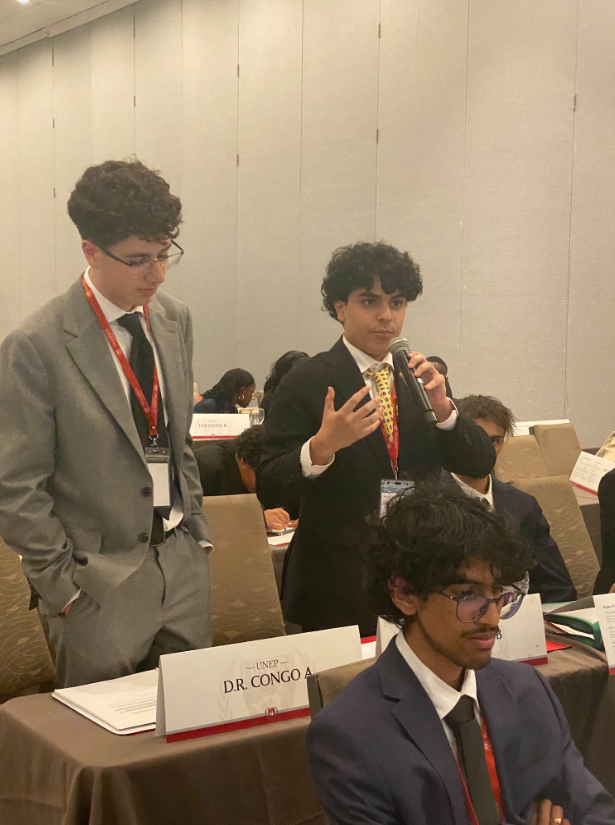
“Renewable energy for all is a priority in the UN and should be a priority to you for every nation to receive energy and power that is clean and accessible for all” - Japan. As stated by the delegate, renewable energy should be a priority in the UN and should be discussed as the most pressing issue in the committee. The 100+ delegates of the committee engaged in debates surrounding why and how they should implement the expansion of renewable energy in every country making it a priority to all countries. As debate developed in many countries such as Iran, USA and Japan they discussed the diplomatic ties between nations to fulfill such a plan to expand renewable energy to the globe. Japan stressed the importance of energy as stated that “66 million people globally do not have access to energy at all”. Japan stressed the grave importance of their role in expanding and investing in global renewable energy as a developed country Japan has consistently invested in countries in underdeveloped Asian Pacific nations to concentrate on expansion of renewable energy in every nation
Developed countries in this day and age play in the movement for global access to clean renewable energy. Access to clean energy as discussed in the UNEP double delegation has emphasized the importance of access to clean energy around the world. Currently as stated by the delegates of Japan as a developed nation Japan initiates the directive to aid other developing countries with access to renewable energy so that no matter your economic stance you are able to receive clean renewable energy. As a whole blocks from the RRR, LIFE, SOAR and multiple numerous blocks expressed their outrage on the inequality of easy renewable energy

The committee sessions of the UNEP state other economic factors of energy expansions such as the 66 million people globally who don't have access to energy at all worldwide as stated by Iran. The USA has stated the imposed the creation and resolution of having renewable hydroelectricity in every nation because of its easy accessibility and jobs created for the economy. Other press officials at the NHK critiqued and posed the question how would funding for the plan provide economic incentive for developed countries to provide aid to underdeveloped countries. The delegate of Japan stated "developed countries should be the first countries to provide economic aid no matter the country”. Some other questions posed by the press include how the effect of accessibility, place and infrastructure affect the accessibility of renewable energy. Delegates from Norway, Sweden and Ireland discussed the implications of how countries such as the DRC and other underdeveloped and lower socioeconomic countries might experience challenges in acquiring such technology.
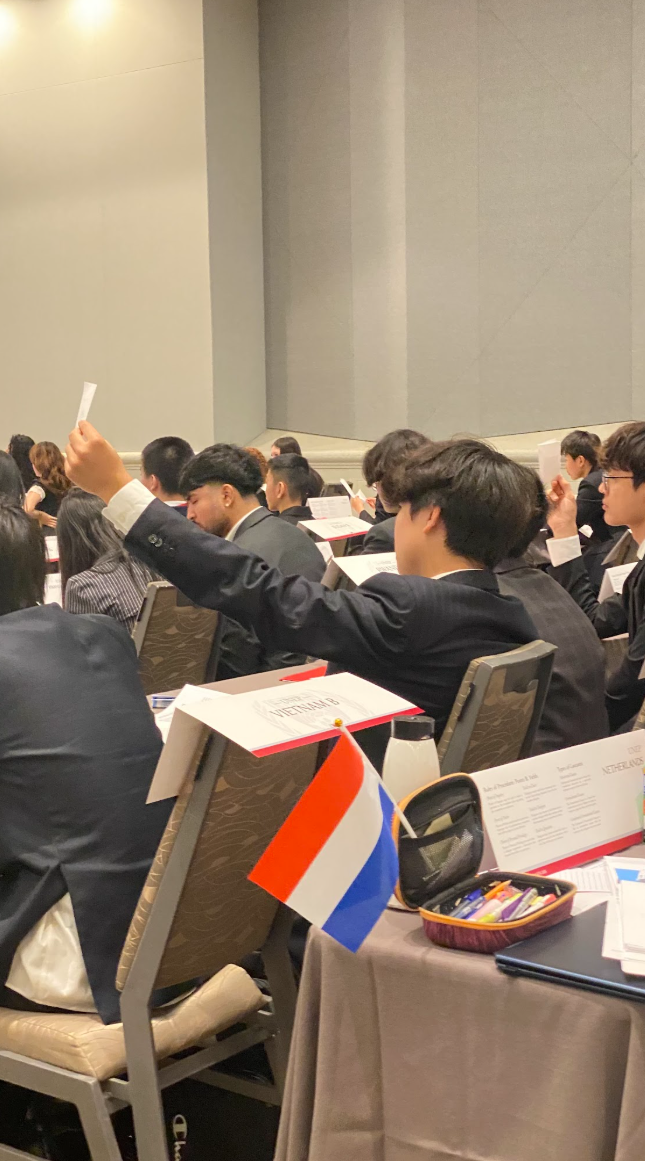
Overall, the delegates made great debates and points on why they believe certain resolution papers should be passed and engaged in deep debates on economic, socioeconomic, infrastructure and other factors relating to the issue on how implementation of their resolutions could be done. In conclusion, the UNEP engaged in intensive debate on how and why they believe there is importance to the UNEP and there were diverse opinions as to how they plan on implementing clean renewable energy globally. This committee delivered the insightful debate on practical solutions to accessible clean energy to promote true energy access for all.
Works Cited
“What Is Renewable Energy?” United Nations. Accessed May 29, 2026. https://www.un.org/en/climatechange/what-is-renewable-energy