
SPONSORED BY CIGI
RE-IMAGINING
GLOBAL SYSTEMS OF FINANCE
INTERNATIONAL MONETARY FUND
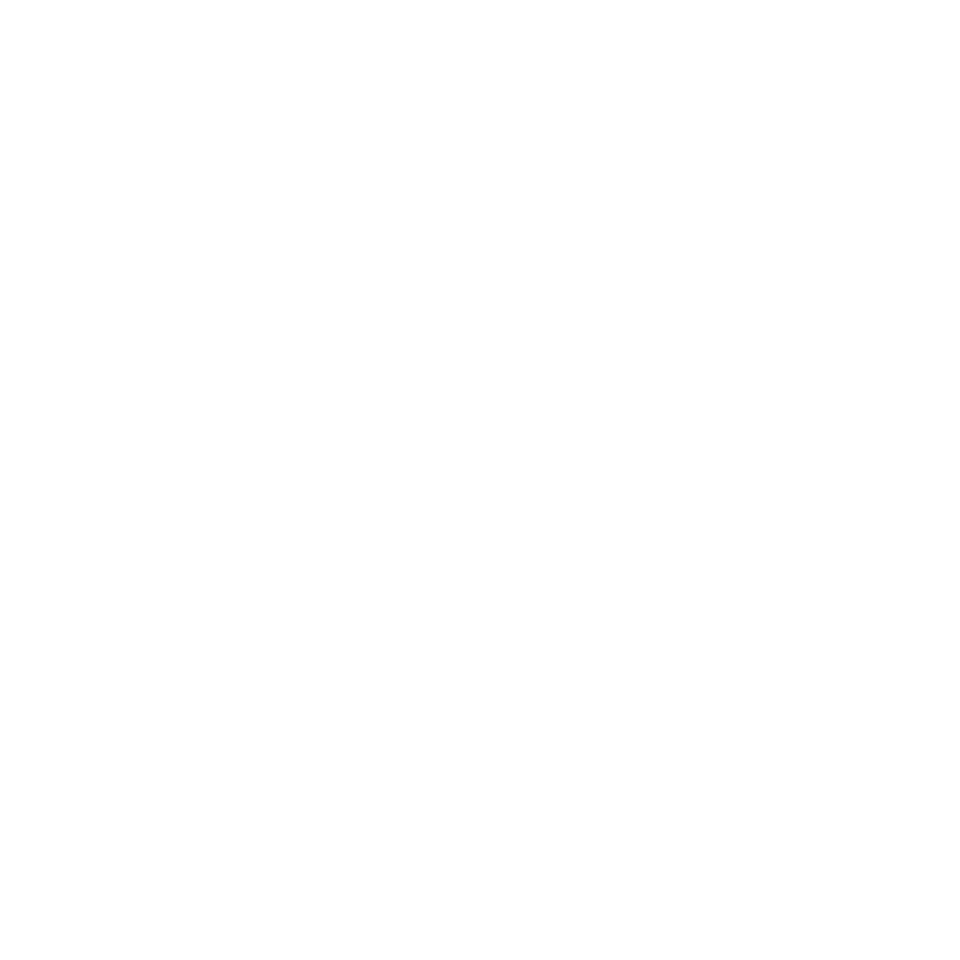
Founded in 1944 by 44 member countries seeking to construct a postwar framework for economic cooperation, the International Monetary Fund (IMF) has evolved into a central institution of global economic governance. Today, the IMF comprises 191 member countries and works to promote sustainable growth, financial stability, and international monetary cooperation. It fulfills this mandate through three core functions: monitoring global and national economic developments through surveillance, providing loans and other financial assistance, and delivering technical assistance to help governments design and implement sound economic policies.
At HarvardMUN Canada, the IMF committee will simulate the IMF’s most consequential decision-making processes, placing delegates in the shoes of the decision-makers. Unlike introductory economic committees, this committee emphasizes analytical rigor, policy realism, and the political economy. Delegates must grapple with trade-offs between austerity and growth, market confidence and domestic legitimacy, and short-term stabilization and long-term development.
The IMF has been designated as the Tournament of Champions committee at HarvardMUN Canada due to its exceptional academic rigor and demanding pace. The committee’s structure requires rapid progression through complex, interdependent economic decisions, mirroring the real-world complexity of IMF interventions. Success in this committee depends on advanced economic literacy, strategic adaptability, and the ability to synthesize technical analysis with diplomatic negotiation under pressure. The IMF committee looks to ensure a consistently high level of debate, realism, and substantive engagement befitting one of the most influential institutions in the international system.
TOPIC A: Revisiting the IMF’s Terms of Conditionality for the 21st Century
TOPIC B: Managing Sovereign Debt Restructuring, Capital Controls, and Financial Contagion
The Centre for International Governance Innovation (CIGI) is an independent, non-partisan think tank that plays a leading role in tackling global issues at the intersection of technology and governance. Its work encompasses a variety of pressing issues, including financial governance, the digital economy, as well as trade policy and the effects of globalization.
HarvardMUN Canada has partnered with CIGI to offer the Best Delegate (Canadian Champion) of the IMF-TOC committee a three-week internship over the summer.

COMMITTEE DAIS

DIRECTOR
Jimmy Merino
Jimmy is a sophomore studying Economics and Government, originally from Boston, Massachusetts. He is deeply involved in Harvard’s Model United Nations community. At Harvard, Jimmy is a Director for HMUN Boston 2026 and also serves as Under-Secretary-General of Finance for HMUN China 2026. He competes with Harvard’s Intercollegiate Model UN team, where he especially enjoys the fast-paced strategy and collaboration of crisis committees. Beyond MUN, Jimmy is involved with the Harvard Institute of Politics, where he consults for and advises nonprofit organizations. His favorite MUN memory is chairing his first conference – watching delegates grow into more confident, thoughtful debaters over the course of the conference.
SENIOR AD
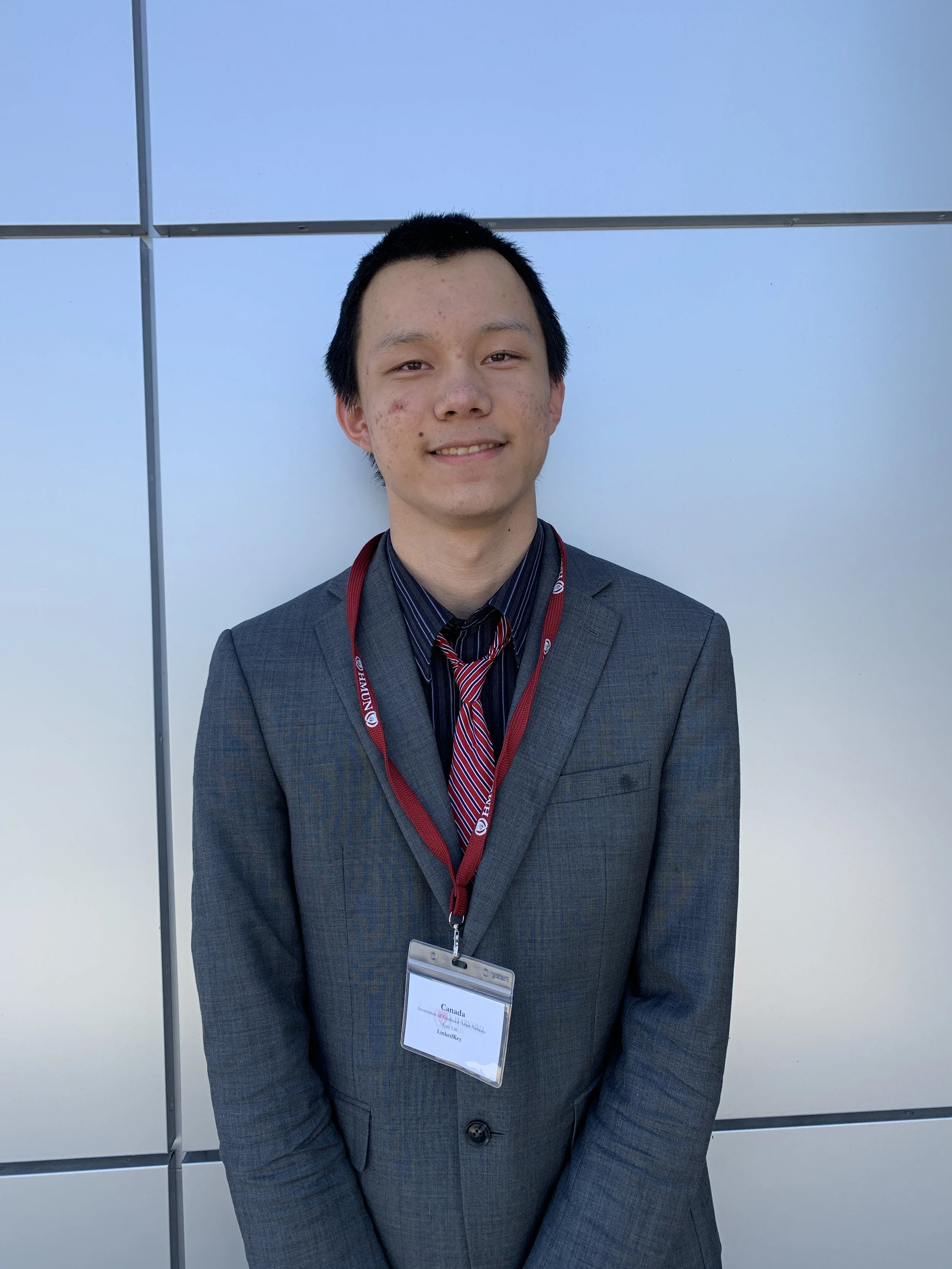
Joey Lin

JUNIOR AD
Risha Kansara

JUNIOR AD
Gourav Gupta